
(And How to Build One That Lasts)
Here's a pattern you've seen before: a product goes viral on TikTok, sells out in days, floods social feeds for weeks, and then... disappears. Six months later, it's in clearance bins or completely forgotten.
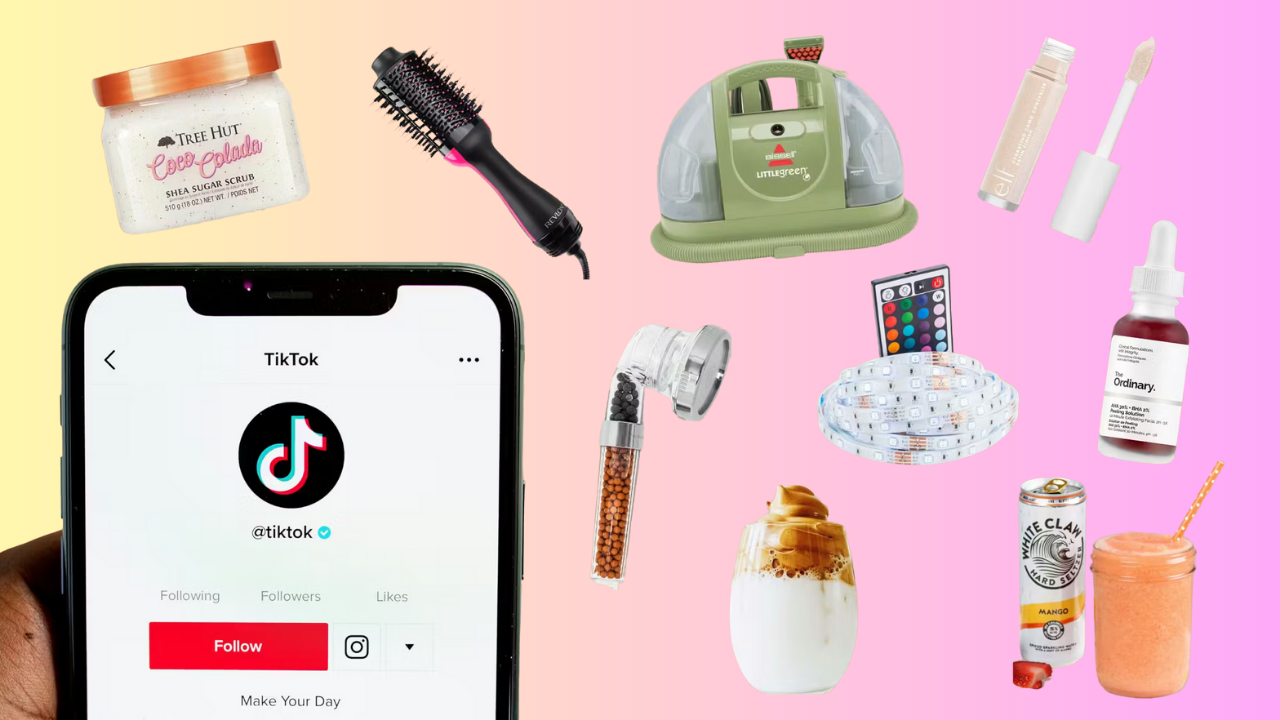
Virality feels like validation. It's not. Virality and viability are two completely different things, and confusing them is one of the fastest ways to burn cash and credibility.
The data is sobering: 75% of new CPG products fail within their first year, and only 15% remain commercially viable after two years (Nielsen). But here's what separates the winners from the cautionary tales: durable products are built on trends, not fads. And most brands can't tell the difference until it's too late.
So why do most trend-driven products fail? And what separates the ones that become categories from the ones that become cautionary tales?
The Viral Trap
Let's start with what virality actually is: a rapid spike in attention driven by novelty, social sharing, and urgency. It's exciting. It's measurable. And it's almost always temporary.
Fads are characterized by intense enthusiasm that's short-lived and not based on the product's underlying qualities. They experience a two-to-four-year revenue ramp (often less), sometimes accompanied by price inflation in secondary markets, followed by rapid decline once the bubble bursts.
Think fidget spinners. Beanie Babies. The ALS Ice Bucket Challenge. These captured massive attention and generated real revenue—but they had no sustainable foundation. The appeal was novelty, not utility. Once the novelty wore off, so did demand.
The problem isn't that these products went viral. The problem is that businesses built around them assumed virality equaled long-term demand. It doesn't.
At HyperSight Labs, we've tracked hundreds of viral products over the past decade. The pattern is consistent: products that spike fast without underlying behavioral or cultural support decline just as fast. The ones that last are the ones that tap into durable shifts, not fleeting moments.
Trends vs. Fads: The Framework That Matters

Here's the distinction every product team needs to understand:
Fads rise fast, burn bright, and fade quickly. They're driven by urgency, social pressure, and novelty. They lack depth. Their appeal is superficial, and they rarely provide long-term value. Typical fad lifecycle: rapid peak within months, then sharp decline.
Trends rise slowly, evolve over time, and have staying power. They're driven by genuine shifts in consumer behavior, cultural changes, or technological advancements. They solve real problems and adapt as the market matures. Typical trend lifecycle: gradual adoption, sustained growth, long maturity phase.
The difference shows up in the product life cycle. Fads spike dramatically from introduction to growth, but before they reach maturity, they flatline. Trends experience gradual adoption, sustained growth, and a long maturity phase where they become embedded in consumer behavior.
Examples make this clear: Pokémon GO felt like a fad but continues to attract players years later because it taps into underlying trends (AR technology, location-based gaming, nostalgia). The #NoMakeup movement, on the other hand, cycles in and out as a fad because it's driven by reaction, not sustained consumer behavior.
Why Trend-Driven Products Fail
Even when brands correctly identify a trend, they still fail at execution. Here's why.
1. They Mistake Volume for Viability
A million TikTok views doesn't mean a million customers. Attention and intent are not the same thing. Consumers will watch a video about a product they'd never buy.
Poppi, the prebiotic soda brand, generated 204 million impressions and 2.3 million social engagements through TikTok and Instagram creators in 2023. But here's the key: they didn't stop at impressions. They converted that attention into distribution, reaching 5 million new households in 2024. That's the difference between viral content and a viable business.
The lesson: viral awareness is step one. Distribution, repeat purchase, and unit economics are steps two through ten.
2. They Build for the Spike, Not the Plateau
Trend-driven products often launch with massive hype and then can't sustain demand once the novelty fades. Brands overinvest in launch marketing and underinvest in retention, repeat purchase, and product evolution.
If your product only works during the hype phase, you don't have a product—you have a marketing stunt.
3. They Ignore Unit Economics
Viral products often succeed because they're novel, not because they're profitable. Brands chase the trend without checking if the math works: Can you acquire customers profitably? Do margins support sustainable growth? Is the product defensible, or can competitors copy it in weeks?
McDonald's Arch Deluxe burger is a classic example. The company spent $200 million on research and marketing for a product that failed because it didn't solve a real consumer need—it was trend-chasing disguised as innovation.
4. They Don't Evolve
Trends change. Consumer needs shift. Products that succeed long-term are the ones that adapt. Denim jeans have been a staple for decades, but they've evolved in shape, color, and embellishment to stay relevant. Fads don't evolve—they just fade.
The Framework for Building Products That Last
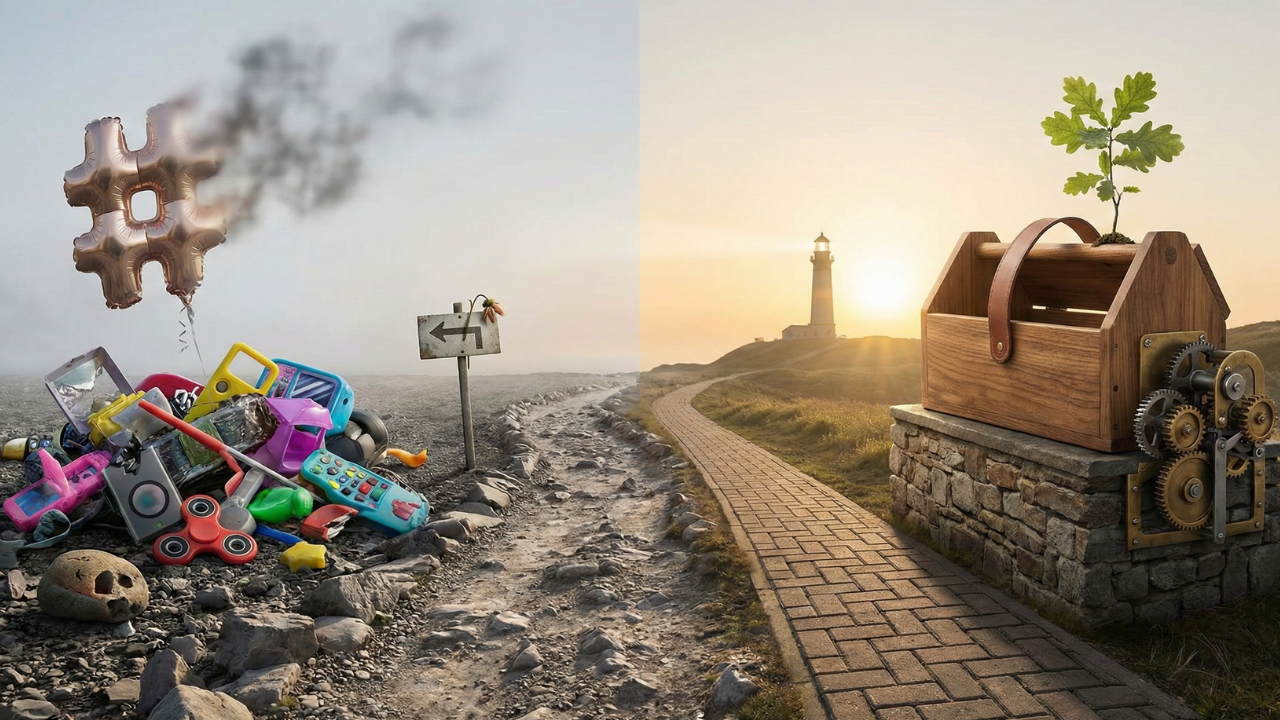
If you want to build something durable, not disposable, here's the framework to follow.
1. Start with the Problem, Not the Hype
Ask yourself: What problem does this solve that won't go away in six months? Is this addressing a real consumer need, or is it capitalizing on fleeting attention?
The best products tap into enduring human needs—convenience, health, connection, identity—and deliver them in formats that align with current behavior. That's the sweet spot.
2. Test for Depth, Not Just Breadth
Virality gives you breadth—lots of people seeing your product. But viability requires depth—people who love it enough to buy it repeatedly and tell others.
Look for signals of depth: Are customers coming back? Are they recommending it organically? Are they integrating it into their routines? If your product can't move from "cool novelty" to "daily habit," it won't last.
3. Build for Adaptation
Products that endure are designed to evolve. Start with a core value proposition that's defensible, then create a roadmap for how the product will adapt as consumer needs change.
Coca-Cola is using AI-driven design to align packaging with futuristic themes and sustainability goals. That's not a static product—it's a platform for ongoing innovation.
4. Check the Cultural Fit
Trends work when they align with broader cultural movements. Sustainability isn't a fad because it's rooted in real environmental concerns and supported by policy, infrastructure, and shifting consumer values. Products marketed as sustainable are growing nearly six times faster than conventionally marketed products.
Ask yourself: Is this trend supported by structural changes (technology, regulation, demographics), or is it just a moment?
5. Own the Narrative
Brands that turn viral moments into lasting businesses control the story. They don't just ride the wave—they define the category.
Oatly didn't just make oat milk. They made oat milk the default alternative to dairy by owning the narrative around sustainability, taste, and lifestyle. That's how you move from trending to enduring.
The Longevity Checklist
Before you invest in a trend-driven product, run it through this filter:
-
Does it solve a real problem that won't disappear?
-
Is there evidence of sustained demand, not just a spike?
-
Can you acquire customers profitably and retain them?
-
Does it align with structural cultural or technological shifts?
-
Can the product evolve as consumer needs change?
-
Is the business model defensible, or can competitors copy it instantly?
If you can't answer yes to most of these, you're building a fad, not a business.
The HyperSight Labs Trend Durability Assessment
This is exactly what we help brands figure out at HyperSight Labs. We don't just tell you what's trending—we tell you whether it's worth building around.
Our Trend Durability Framework evaluates:
1. Behavioral Depth: Is this a fleeting moment or a genuine shift in consumer behavior?
2. Cultural Support: Is this trend backed by structural changes (technology, policy, demographics) or just novelty?
3. Economic Viability: Can you build a profitable business around this, or are the unit economics unsustainable?
4. Competitive Defensibility: How quickly can competitors copy this, and what's your moat?
5. Evolution Potential: Can this product adapt as the trend matures, or is it locked into a narrow expression that will age poorly?
We've developed this framework by tracking hundreds of viral products and trend-driven launches over the past decade. We know what separates Poppi (viable) from fidget spinners (viral dead-end). And we help brands avoid the expensive mistake of building around the wrong signals.
About HyperSight Labs
HyperSight Labs helps CPG brands separate durable trends from fleeting fads—and build products that last, not just launch.
What We Do:
Trend Durability Assessment: We evaluate whether a trend has staying power or will burn out in 6-12 months, using a combination of AI-powered signal detection and strategic analysis.
Product Concept Validation: We help you test ideas fast using real-time consumer feedback, search behavior, and competitive gap analysis—before you commit to full production.
Strategic Positioning: We show you how to own a trend category, not just participate in it, by identifying the narrative, positioning, and go-to-market approach that turns viral moments into lasting brands.
Innovation Pipeline Optimization: We help you build processes that separate signals from noise, so your team invests in opportunities with staying power instead of chasing every viral moment.
Who We Work With:
-
Mid-tier CPG brands that can't afford to waste capital on failed launches
-
Established brands with innovation pipelines that keep chasing fads instead of building on trends
-
Founders and product teams who need an external filter to validate whether an idea is worth pursuing
What Makes Us Different: We're not trend chasers. We're trend evaluators. We combine AI-powered data analysis with deep category expertise to help you understand not just what's trending, but whether it's worth betting on. We save you from expensive mistakes and help you invest in the ideas that actually have legs. Want to build products that last, not just launch? Let's talk about what you're building. Book a strategy call.