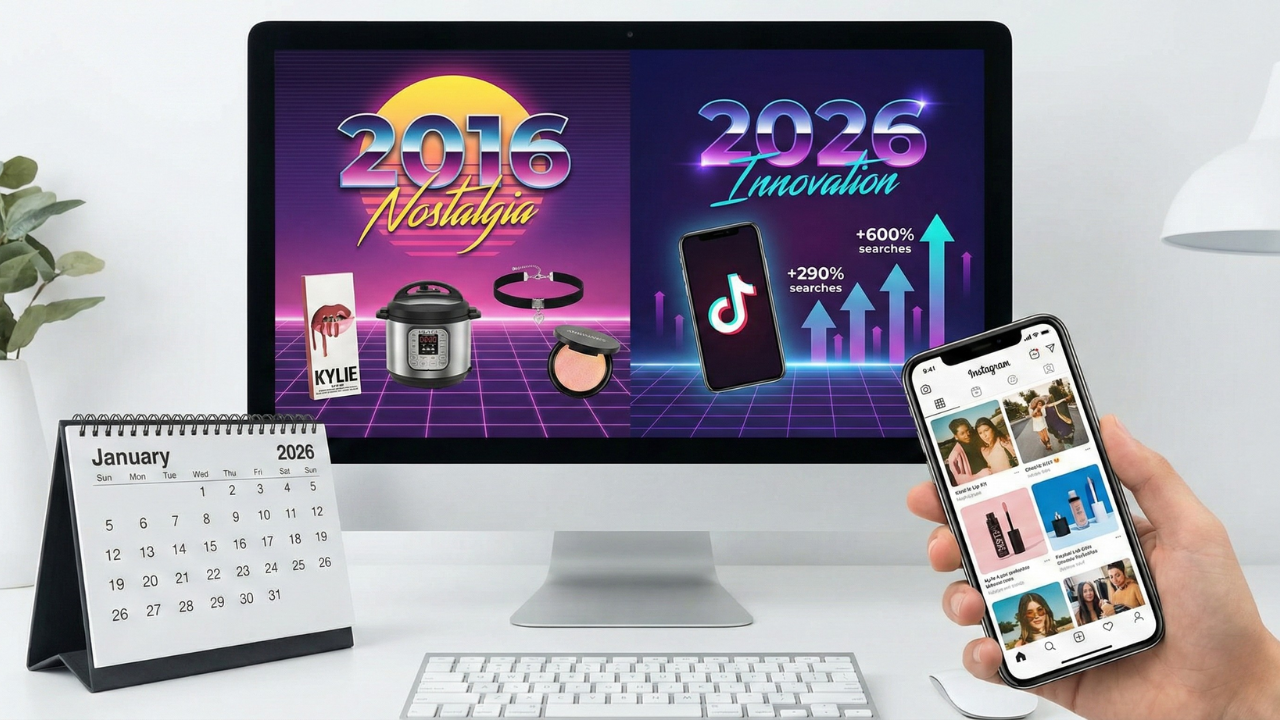
If your social feeds suddenly look like a time capsule, you're not imagining it. From Kylie Lip Kits and Instant Pots making a comeback to chokers and highlighters dominating beauty aisles again, 2016 is officially back—and brands that understand why are reaping the rewards.
This isn't just another nostalgia cycle. It's a stress response to a decade of optimization fatigue, algorithmic exhaustion, and AI-generated sameness. And for CPG brands and product innovators, it's a masterclass in what consumers actually want when they say they're tired of "perfectly curated everything."
The data tells the story: TikTok searches for "2016 songs" and "2016 makeup" surged 290% and 600% respectively in early January 2026 (comparing January 1-11 vs. the previous 11 days). This isn't passive reminiscence—it's active recreation.
The 10-Year Nostalgia Rule (And Why 2016 Hits Different)
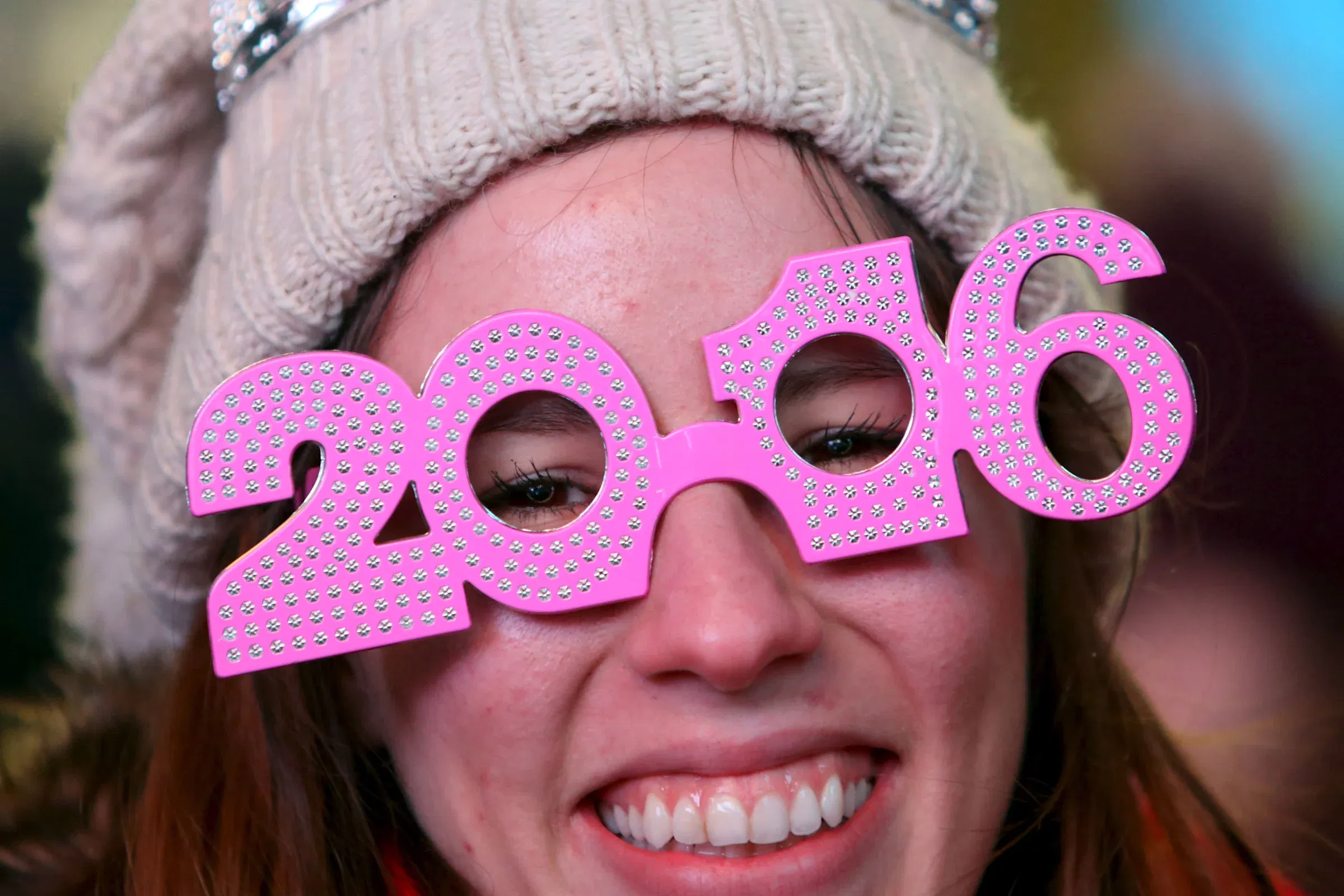
Cultural nostalgia typically runs on a 10-year cycle. But 2016 isn't just any throwback year—it occupies a unique position in digital history. It was late enough that social media was mainstream and participatory, but early enough that it hadn't yet become fully optimized for extraction. Algorithms existed, but they weren't ruthless. Content was messy, unpolished, and fun.
TikTok searches for "2016" spiked 452% during the first week of January 2026, with over 55 million videos now featuring the platform's rose-tinted "2016 filter." But here's what matters for brands: this isn't just about filters. It represents a yearning for pre-algorithmic authenticity that directly impacts product development and positioning.
The reason? As one cultural commentator put it, 2016 represents the last time the internet felt human. It was a moment when you could post without a strategy, dress without branding yourself, and exist online without constant identity performance.
What This Means for Product Development
Smart brands aren't just slapping vintage aesthetics on new products. They're recognizing what 2016 truly represented: accessibility over aspiration, playfulness over perfection, and function over flex.
Take the Instant Pot resurgence. The multifunction pressure cooker became Amazon's top-selling item on Prime Day 2016, with 215,000 units sold in a single day. Now it's trending again—not because consumers forgot about it, but because its promise of "simple, functional, does-what-it-says" cooking feels refreshing in an era of smart fridges and AI meal planners that over-complicate everything.
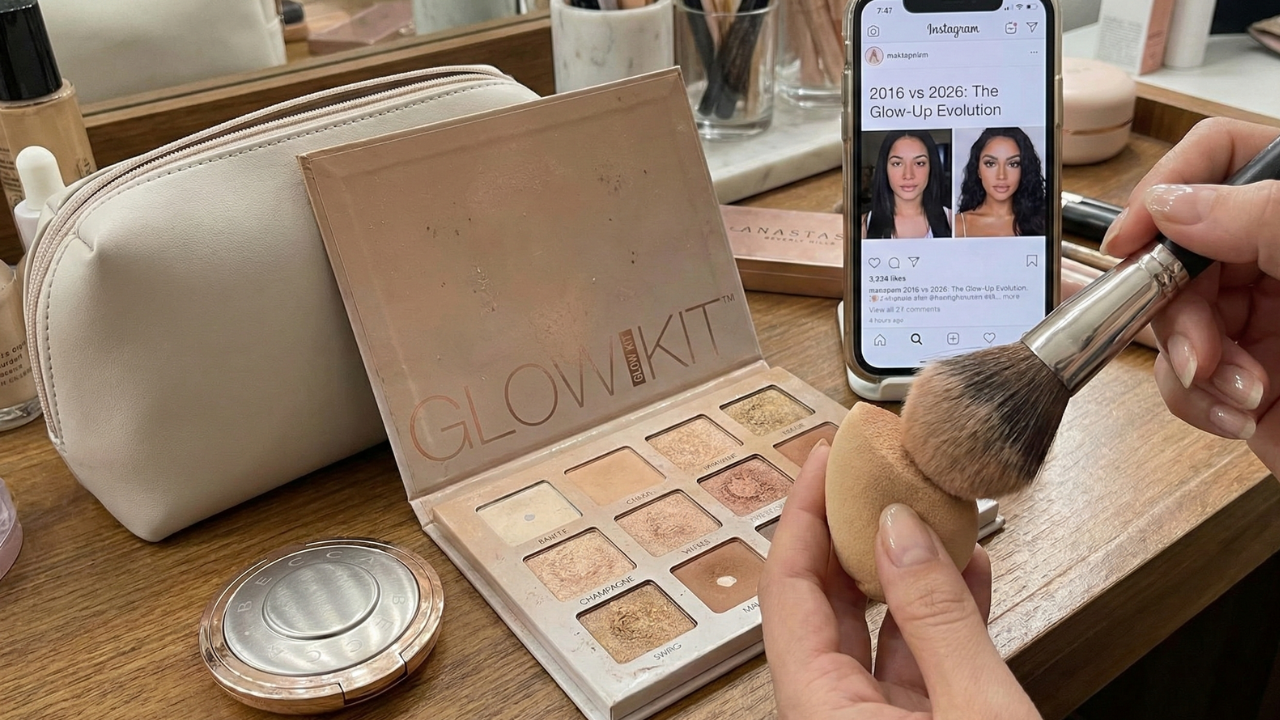
Beauty brands are seeing the same pattern. Anastasia Beverly Hills' Glow Kit and Becca's Champagne Pop highlighter (the defining glow product of 2016) are back in rotation. But here's what's interesting: consumers aren't buying them for the exact same ultra-glowy, full-beat look. They're adapting the products with a lighter hand, blending 2016 boldness with 2026 sensibilities.
This "remix, don't recreate" approach is where the innovation opportunity lives.
The Strategic Takeaway: Nostalgia as Cultural Intelligence
For CPG brands, 2016 nostalgia reveals three critical consumer insights driving product decisions in 2026:
Anti-perfection positioning is resonating. Consumers are fatigued by hyper-polished, algorithm-optimized everything. Products that embrace "good enough," functional simplicity, and even a little rough-around-the-edges charm are connecting emotionally in ways that premium-but-soulless products aren't.
Analog experiences are premium again. The "Analog Bag" trend on TikTok—where millions of users show off totes filled with crossword puzzles, craft supplies, and other offline activities—signals a hunger for tactile, unplugged experiences. Brands mining this space (like the resurgence of cast-iron skillets and spiralizers) are tapping into intentional consumption, not just convenience.
Heritage and archives are differentiation tools. Luxury brands like Alexander McQueen and Louis Vuitton are reissuing iconic products from their archives, while accessible brands like Juicy Couture and Vans are reviving signature items with sustainable updates. The strategy works because it combines emotional resonance with modern values—a powerful combo that new-to-market products often lack.
The Risk: Brands That Optimize Nostalgia Kill It
Here's where most brands get it wrong. They see a nostalgic trend and immediately try to capitalize with metrics-driven campaigns, conversion-optimized content, and performance marketing. But that approach directly conflicts with what made 2016 feel better in the first place.
When brands attempt rewind aesthetics while maintaining extractive behavior, audiences feel the mismatch immediately. The content looks nostalgic but behaves modern. It demands attention while pretending to be casual. That tension kills trust.
The brands succeeding here are doing something uncomfortable: accepting lower immediate efficiency in exchange for long-term goodwill. They're allowing content and products to exist without conversion pressure. It feels wasteful. It works.
What's Next: Using 2016 Nostalgia as a Product Innovation Lens
For brand strategists and innovation teams, the 2016 resurgence isn't just a moment to mine—it's a methodology. The question isn't "Should we bring back a 2016 aesthetic?" It's "What does 2016 nostalgia tell us about the gap between what we're building and what people actually want?"
If you're developing new products, ask yourself: Are we designing for performance metrics or human connection? Are we optimizing for algorithms or authenticity? Are we creating something that requires constant explanation, or something that just works?
The brands that answer those questions honestly—and adjust accordingly—won't just ride the 2016 wave. They'll build products that feel timeless, not dated.
About HyperSight Labs
HyperSigth Labs is a future-focused innovation and insight studio working at the intersection of culture, trends, and product development. We help CPG brands translate nostalgia cycles, cultural signals, and emerging consumer behavior into actionable product strategy.
Our Approach: We combine real-time cultural intelligence tracking, trend analysis, and strategic foresight to identify opportunities before they become obvious. Unlike traditional market research that tells you what happened, we help you understand what's happening now and what's coming next—so you can build products that capture cultural moments without getting trapped by them.
We work with:
-
Mid-tier CPG brands looking to punch above their weight with smarter trend intelligence
-
Established brands seeking to reconnect with cultural relevance
-
Product teams that need to move faster than their legacy innovation processes allow
Our services include:
-
Cultural trend analysis and forecasting
-
White-space opportunity mapping
-
Product concept validation and refinement
-
Strategic positioning and go-to-market guidance
Ready to decode what cultural signals mean for your brand's innovation pipeline? Let's talk about what's next for your category. Book a strategy call.